· Umm Aishah · Homeschool · 3 min read
Islamic Homeschool Curriculum: A Complete Guide for Muslim Families
Homeschooling with an Islamic foundation is not about adding Quran to a secular curriculum — it is about building everything upon the love of Allah.

The Prophet (ﷺ) said: “The best of you are those who learn the Quran and teach it.” (Bukhari)
Homeschooling is not a trend — it is a sunnah. The Prophet’s household was a place of learning. His wives were students and teachers. His companions learned in circles, not classrooms.
Today, more Muslim families are choosing homeschooling because they want:
- An Islamic environment where the Quran is part of every subject
- Flexible schedules around salah times and Islamic events
- The ability to teach tarbiyah alongside academics
- Protection from influences that contradict their values
The five pillars of an Islamic homeschool
1. Quran Memorization
Start from day one. Even if your child is two years old, begin with Surah Al-Fatiha. Our guide on Quran Memorization for Beginners explains the daily repetition method that works.
Use our Quran Dashboard to track progress through all 114 surahs.
2. Arabic Language
Arabic is the language of the Quran and the language of Jannah. Our guide on Teaching Arabic at Home covers multisensory methods for young learners.
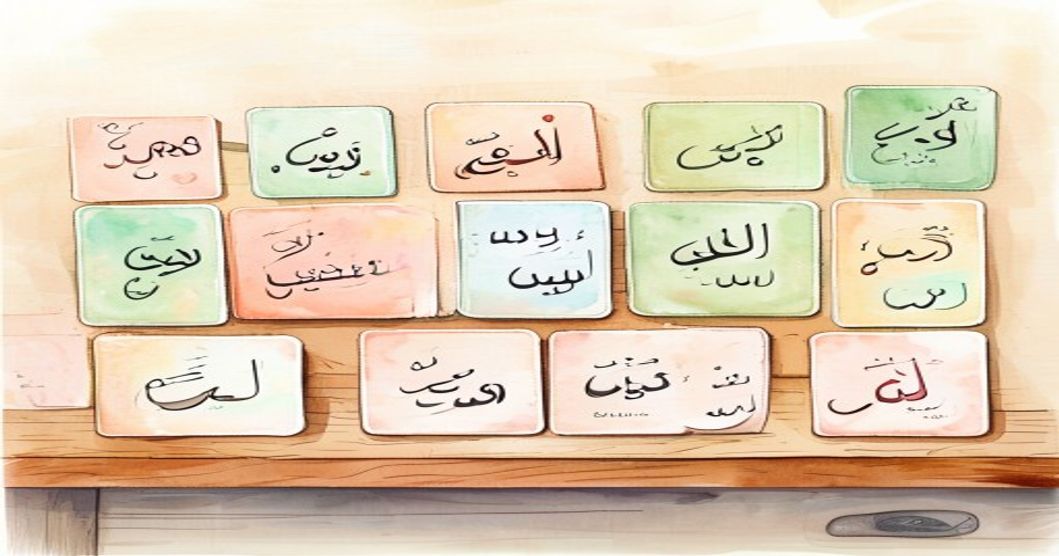
Start with the alphabet using our Arabic Alphabet Flashcards and progress to Arabic Handwriting Practice.
3. Islamic Studies
This includes Aqeedah, Fiqh, Seerah, and Hadith. Use our Islamic Studies Curriculum for structured lessons, or follow these guides:
4. Core Subjects
Math, English, Science, and Social Studies — taught with an Islamic worldview where possible. Our English Reading & Writing Curriculum provides a structured approach for ages 4–8.
5. Life Skills
Cooking, cleaning, gardening, and financial literacy — all done with Islamic etiquette. Use our Chore Chart and Good Deeds Tracker to make it fun.
Sample daily schedule
| Time | Activity |
|---|---|
| 7:00 AM | Fajr, morning adhkar, breakfast |
| 8:00 AM | Quran memorization (30 min) |
| 8:30 AM | Arabic language (30 min) |
| 9:00 AM | Islamic studies (30 min) |
| 9:30 AM | Break / play |
| 10:00 AM | Core subjects (2 hours with breaks) |
| 12:00 PM | Dhuhr prayer, lunch |
| 1:00 PM | Rest / free reading |
| 2:00 PM | Science or social studies |
| 3:00 PM | Creative time (art, projects) |
| 4:00 PM | Outdoor play |
| 5:00 PM | Asr, review the day |
| 6:00 PM | Maghrib, dinner |
| 7:00 PM | Family Quran time, Isha |
Our free planning tools
- Homeschool Daily Schedule — a printable schedule template
- Homeschool Weekly Planner — plan your week at a glance
- Curriculum Planning Worksheet — organize what to teach and when
- Homeschool Planner (Interactive Tool) — plan digitally and track progress
Start small, grow gradually
You do not need a perfect curriculum to start. Begin with Quran, Arabic, and one core subject. Add more as you and your children find your rhythm.
The most important thing is not what you teach — it is the environment you create. A home filled with Quran, dua, and the remembrance of Allah is the best curriculum of all.
May Allah bless your homeschool and make it a source of Jannah for your family. Ameen.