· Umm Aishah · Homeschool · 3 min read
The 'Scatter' Method: How We Make Friends With the Alphabet Around the House
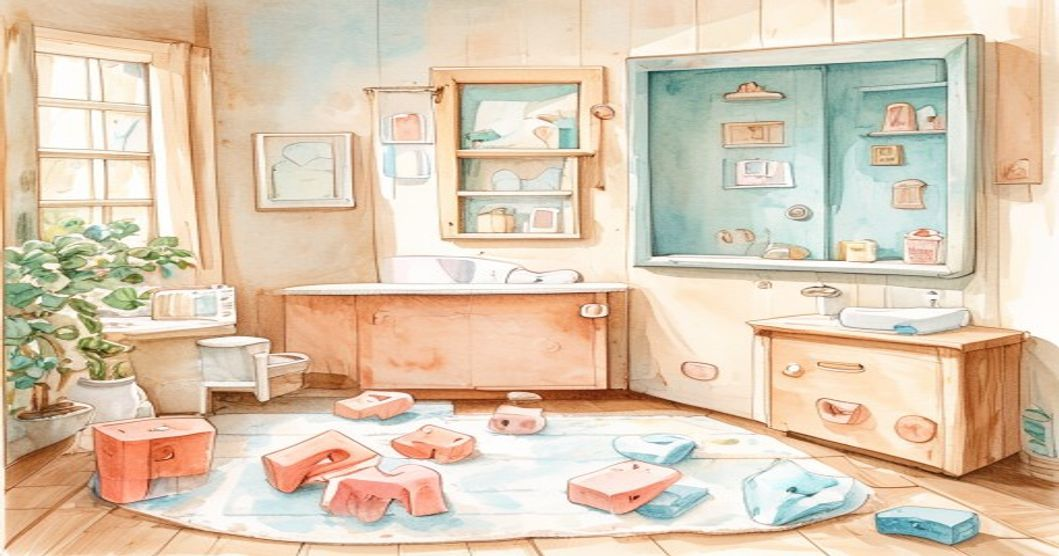
Part of my homeschool method: foam and wooden letters (Arabic + English) left in everyday places so my children meet them casually, again and again.
This is part of my My Homeschool Method series — the real techniques I use with my own children, recorded so I can return to them and so other mothers might benefit. The first post covers wooden alphabet tracing boards.
After the groove boards, the next thing I do is what I call the scatter method.
The idea is simple: I want my children to make friends with the letters — to see them as ordinary, friendly things that live in our home, not as something that only appears during a lesson.
What I scatter
- Foam letters (soft, safe, can get wet) — I stick these on the bathroom mirror, on tiles, on the fridge. They survive water, so the bathroom is fair game.
- Wooden letters (Arabic and English) — kept in a basket the children can reach.
- Magnetic letters — these go on the magnetic doors and the fridge, where they click and hold.
- Numbers too — the same approach, so they meet counting casually alongside the alphabet.
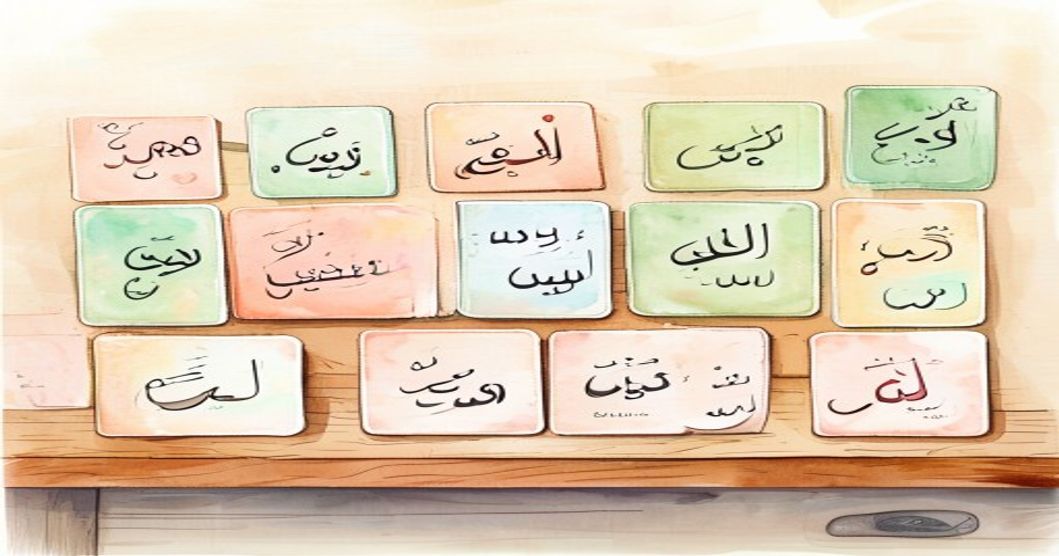
Arabic and English, side by side Because Arabic is the language of the Quran, we have both Arabic and English letters in the mix. There is no pressure to “learn” them in order. They are just there — on the door, in the basket, on the mirror — and over time the shapes become known.
How it plays out in real life This is not a sitting-down activity. It is the opposite. Throughout the day, almost by accident:
- I will point at a magnetic letter on the fridge and say, “What’s this one?” — sometimes she knows, sometimes not. Either way is fine.
- In the bathroom, the foam letters on the mirror become part of bath time. “Can you find the B?”
- I randomly ask her to bring me a specific letter from the basket. “Bring me the letter that says mmm.” She runs, finds it, brings it. Pure joy.
- Numbers get the same treatment — “Bring me the number three.”
Why it works My elder daughter learned her letters this way when she was about 2.5. There was no formal curriculum — just repeated, happy, low-pressure exposure. Now my youngest, at 3, is walking the same path with the very same letters.
The lesson for us as mothers: children absorb what surrounds them. If the alphabet is part of the furniture of their day, they will learn it the way they learned your face — by seeing it often, with love, and without stress.
Things we use (and you can too)
These are the kinds of materials that live in our home. (Links are Amazon searches — replace YOUR_AMAZON_TAG with your Associates tag, or I can wire it in for you.)
- Foam bath letters and numbers — for mirrors, tiles, and bath time
- Wooden Arabic alphabet letters — for the reach-able basket
- Magnetic letters (English) — for doors and the fridge
- Wooden number tiles — to mix counting into the same play
Helpful resources
- Wooden Alphabet Tracing Boards — the first step in this series
- Teaching Arabic at Home — more on gentle Arabic introduction
- Arabic Alphabet Flashcards (Free Printable) — free, for wall and basket use
More of my homeschool method will be added here over time, inshaAllah — filter by age and subject using the tags on each post.