· Umm Aishah · Parenting · 3 min read
Chore Chart for Islamic Families: Teaching Responsibility the Sunnah Way
The Prophet (ﷺ) mended his own clothes, milked his own goat, and served himself. Teaching our children chores is not a burden — it is a sunnah.
The Prophet (ﷺ) said: “The strong believer is better and more beloved to Allah than the weak believer, while there is good in both.” (Muslim)
Strength is not just physical. It is the strength to take responsibility, to help your family, and to care for your environment. And it starts with small tasks at home.
Why chores matter in Islam
Islam does not distinguish between “spiritual” and “practical” work. Cleaning the house is an act of worship. Preparing food for your family is charity. Mending your clothes is following the sunnah.
When we teach our children chores, we are teaching them:
- Responsibility: This is your space. Take care of it.
- Service: You are part of this family. Everyone contributes.
- Gratitude: When you clean, you appreciate how much work goes into a tidy home.
- Independence: You can take care of yourself. You do not need to depend on others.
Age-appropriate chores
Ages 2–4: Learning to help
- Put toys back in the box
- Wipe the table with a cloth
- Put dirty clothes in the basket
- Water plants
- Help set the table (non-breakable items)
Ages 5–7: Taking responsibility
- Make their bed
- Sweep the floor
- Help with dishes (washing, drying)
- Fold laundry
- Feed pets
- Set the table (including breakable items with supervision)
Ages 8–12: Contributing to the household
- Cook simple meals (with supervision)
- Vacuum and mop
- Clean the bathroom
- Take out the trash
- Help younger siblings with their chores
- Grocery shopping with a list
Use a chore chart
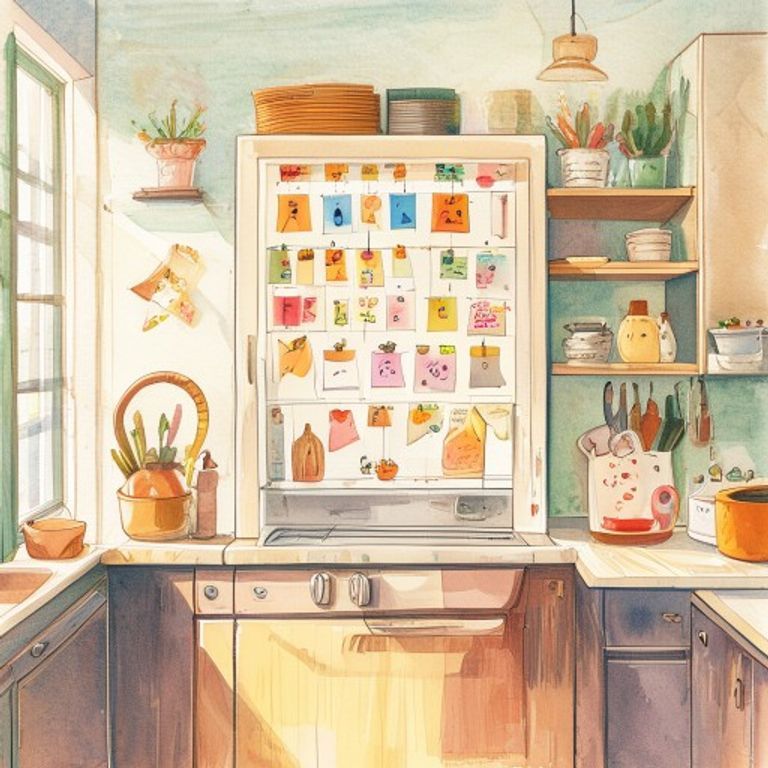
A visual chore chart makes expectations clear and progress visible. Our Chore Chart (Printable) includes:
- Daily and weekly chores
- Checkboxes for each task
- A reward system (stars, points, or privileges)
- Space for your child’s name and photo
Link chores to Islamic values
- When you clean your room, you are following the sunnah of cleanliness.
- When you help your mother cook, you are serving someone whose feet are under Jannah.
- When you take care of your things, you are being grateful for what Allah gave you.
The reward system
Children need motivation. Here are Islamic reward ideas:
| Deed | Reward |
|---|---|
| Complete all daily chores | Choose tonight’s Quran recitation |
| Help without being asked | Extra story time |
| Clean their room for a week | Trip to the masjid for Quran class |
| Cook a meal for the family | Call grandparents to share |
| Full month of consistency | Special outing with parent |
Be patient, not perfect
A 5-year-old will not sweep perfectly. A 7-year-old will not fold laundry neatly. That is okay. The goal is not a spotless house — it is a child who tries.
Praise the effort, not the result. MashaAllah, you tried so hard! Allah loves when we try.
Download our chore resources
- Chore Chart (Printable) — a weekly chart with daily tasks
- Good Deeds Tracker (Printable) — track chores as good deeds
- Routine Builder (Interactive Tool) — include chores in daily routine
- Daily Routine Builder (Printable) — add chore times to the schedule
May Allah make our children responsible, helpful, and grateful. Ameen.